
The tutor
I sit beside kids who have decided they’re “just not reading people.” Then one good story changes their minds. Homework stops being a fight when curiosity is doing the work.

Tutor · Author · Filmmaker
Screens trained their attention away. Stories can train it back, ten calm minutes at a time.

Why stories
Your child hasn’t lost their attention. They’ve stopped finding anything worth giving it to. Screens trained it away. Stories can train it back.
Hi, I’m Addie.


I sit beside kids who have decided they’re “just not reading people.” Then one good story changes their minds. Homework stops being a fight when curiosity is doing the work.
I write stories that make children lean in, and guides that show parents exactly how to tell them. The goal is always the same: a child who asks what happens next.
Film taught me how attention really works: where it drifts, and the precise moment to win it back. I bring that timing to every story I tell a child.
I want your child to be a creator, not just a consumer. It starts with ten minutes tonight.
What I’ve learned
Years of sitting beside children who “can’t focus” taught me they can. Here’s what actually wins it back, and one thing to try tonight for each.

Screens are built to win it, second by second. A child who “can’t focus” is usually focusing hard, just not on us. The job isn’t to take attention back by force. It’s to offer something worth giving it to.
Before you ask for focus, ask what they’re into right now. Start the story there.

A story read flat feels like homework. A story told with voices, pauses and eye contact feels like an event. Children lock onto a face long before they lock onto a page.
Give one character a silly voice and commit to it, every time they speak.

The cliffhanger is the whole trick. Close the book while they still need to know what happens, and tomorrow they come looking for you instead of the other way round.
Stop mid-chapter, right when something goes wrong. Then walk away smiling.

Attention grows like a habit, not a marathon. Same time, same chair, every day, and soon the routine starts doing the persuading for you.
Pick your slot now: straight after dinner, phones in another room.
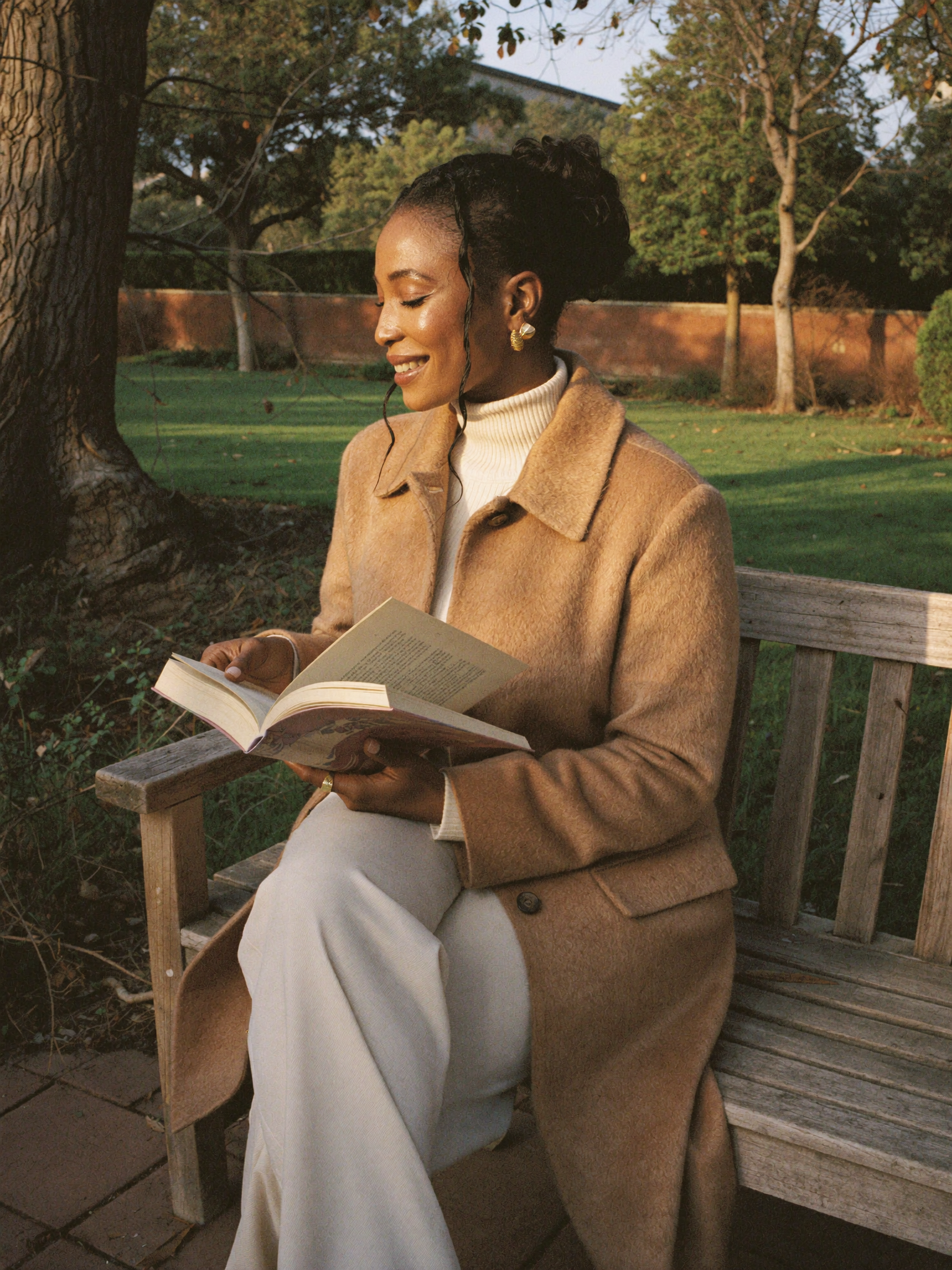
The real goal isn’t more reading. It’s a child who retells, invents and argues with stories, and one day writes their own.
Ask: “What would you have done instead?” Then really listen.
The full routine, minute by minute.
All five, turned into one ten-minute routine you can start after dinner tonight.
Get the free guideFree guide · PDF · 10 minutes a day
The 10-Minute Story Trick
The one routine I use to win a child’s attention back from the screen, written so any parent can do it after dinner. No phone confiscation. No fight.
Sit beside them. “Ten minutes. Just us and a story.”
Voices, pauses, eye contact at the exciting bits.
They read the next part. Keep it moving.
Close the book right at the cliffhanger.
“What do you think happens next?” Then walk away.
Plus how to adapt it for ages 6 to 9 and 10 to 14, and exactly what to say when they push back.
Imagine
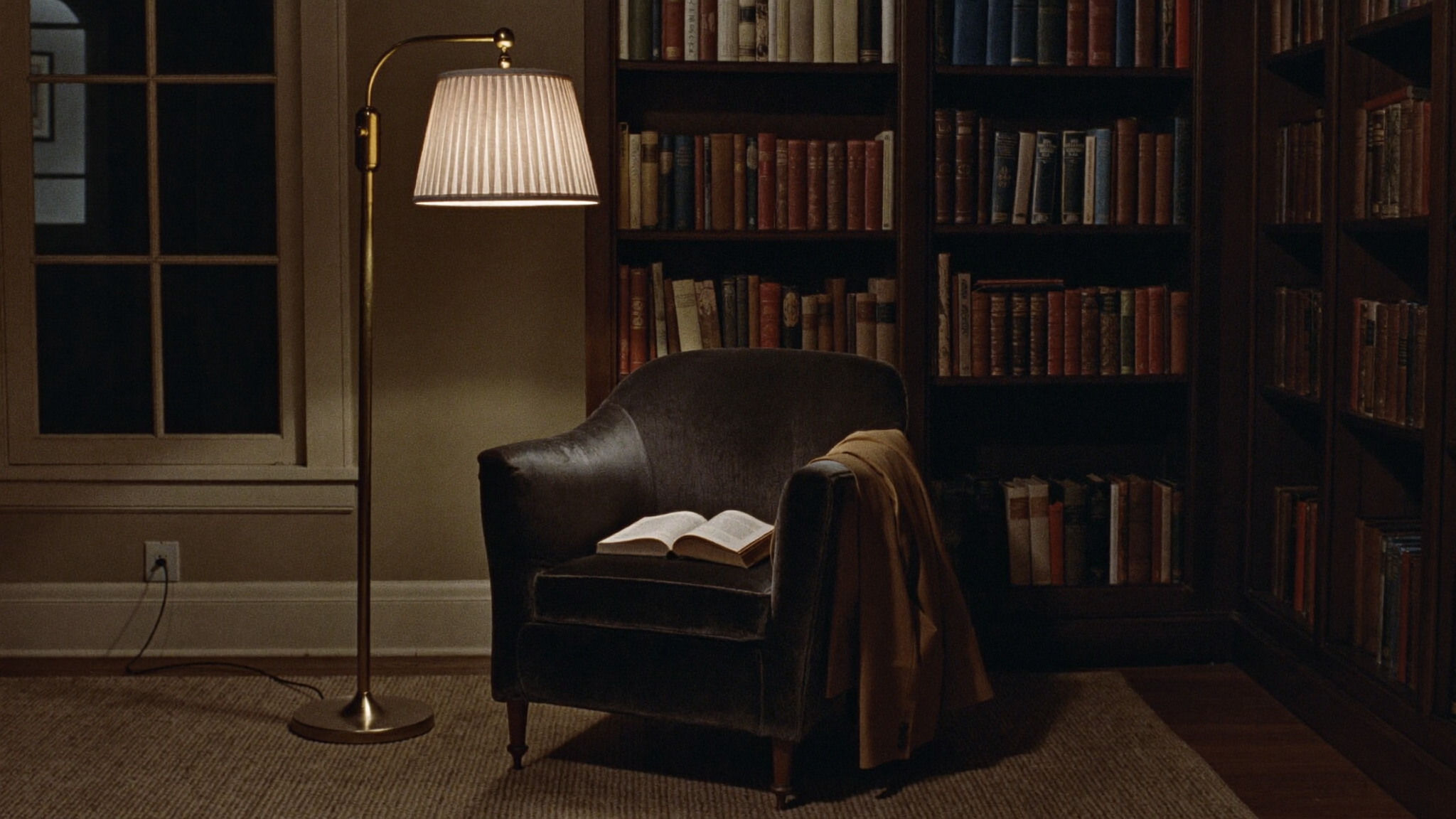
Dinner is over. Phones are in the other room. One lamp on. And when you close the book at the best part, they say “just one more page.”
The whisper mark
Every child is telling you something about their attention. Tap a whisper to hear it the way I do.
The Sunday newsletter
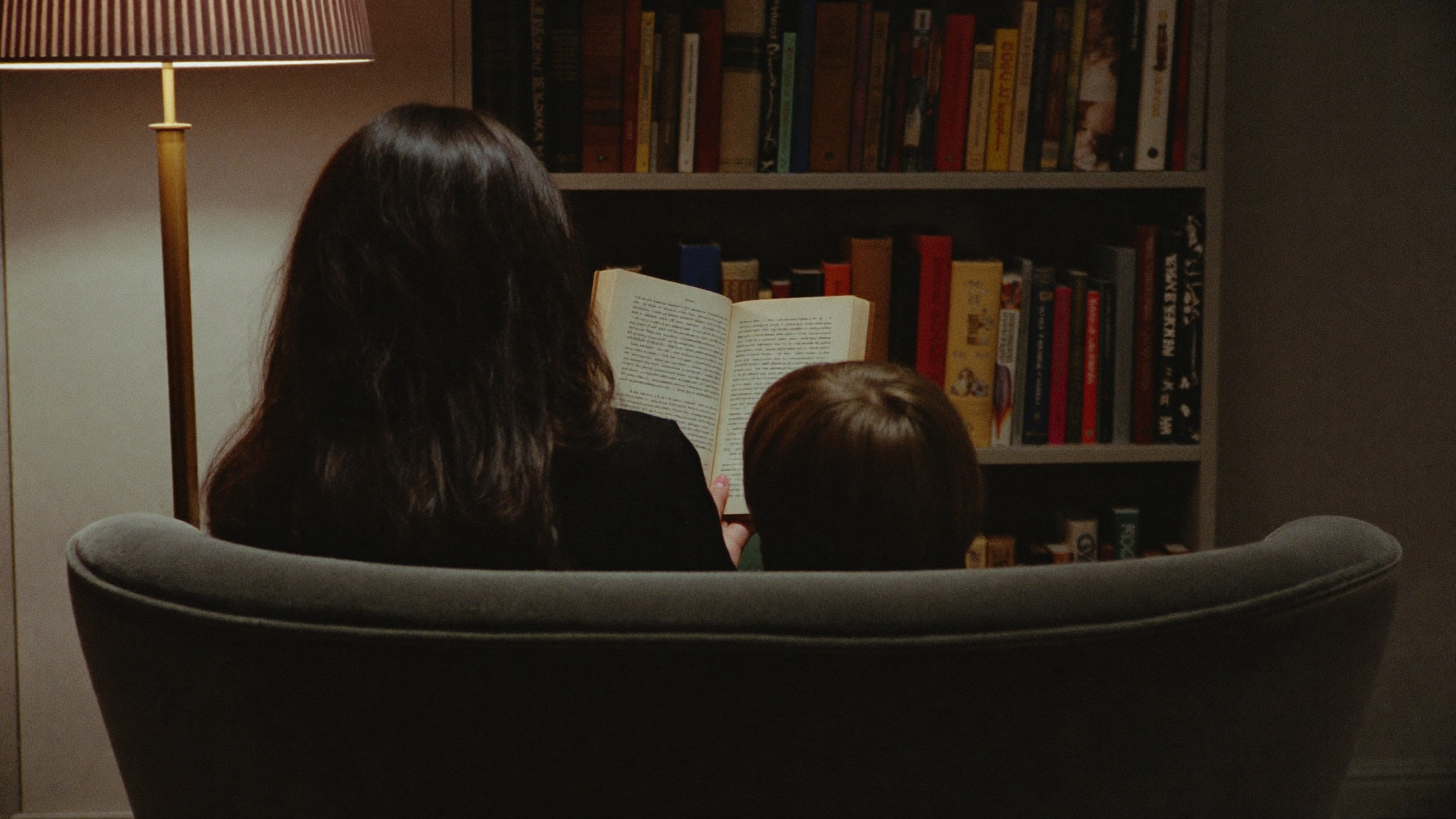
Sunday letters for parents of curious kids. One true story from the week, one idea you can try at home, five minutes to read with your coffee.
Once Upon a Focus
This week a girl told me she’s just not a reading person. Here’s what I said back.
Here’s the ten-minute story trick that changed her mind…Addie